

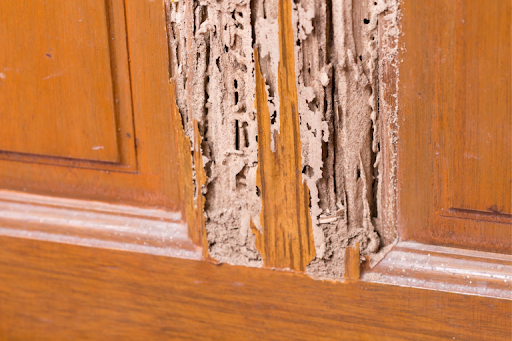
Termites are among the most damaging pests that can affect residential and commercial properties. They often remain hidden inside wooden furniture, doors, walls, and other structures, making an infestation difficult to identify during its early stages. By the time visible damage appears, termites may have already affected important wooden structures.
Many homeowners notice the problem only after finding damaged furniture, hollow-sounding wood or discarded termite wings near windows and doors. Identifying these warning signs early can help prevent further damage and reduce the cost of repairs.
If you are concerned about termites in your property, understanding the early signs of termite infestation and taking timely preventive measures can make a significant difference.
1. Hollow or Damaged Wooden Furniture
One of the most common signs of termite infestation is damage to wooden furniture. Termites feed on cellulose, a natural material found in wood and other plant-based products.
You may notice:
- Wooden furniture becoming weak or brittle.
- Small holes appear on wooden surfaces.
- Paint or wooden polish appearing damaged.
- Wooden doors, cupboards or tables sounding hollow when tapped.
If you notice these changes, inspect the affected furniture and nearby wooden areas for further signs of termite activity.
2. Mud Tubes on Walls and Foundations
Subterranean termites often build mud tubes to travel between their underground colonies and food sources while protecting themselves from dry air and exposure.
These tubes may appear:
- Along walls and foundations.
- Near wooden door frames.
- Around pipes and wall corners.
- In basements and other damp areas.
Mud tubes are an important warning sign. Avoid simply removing them without investigating whether termites are active in the area.
3. Discarded Termite Wings Near Windows and Doors
Another early indication of termite activity is the presence of discarded wings.
Reproductive termites, also known as swarmers, leave their colonies to establish new ones. After swarming, they shed their wings, which may collect around:
- Window sills.
- Doors and entry points.
- Light fixtures.
- Corners and other undisturbed areas.
Finding several similar wings indoors may indicate nearby termite activity and should be investigated.
4. Small Holes and Cracked Wooden Surfaces
Termites can damage wood from the inside, leaving the outer surface looking relatively normal.
As the infestation progresses, you may notice:
- Small holes in wooden furniture.
- Cracked or blistered wooden surfaces.
- Peeling paint or wallpaper.
- Weak areas around wooden frames.
Do not ignore these signs, especially when they appear alongside hollow-sounding wood or discarded wings.
5. Clicking Sounds Inside Wooden Structures
In some cases, termites can produce faint clicking or tapping sounds inside infested wooden structures.
These sounds may occur when termites are disturbed or when soldier termites communicate warnings to the colony.
Although clicking sounds alone do not confirm an infestation, they can be a reason to inspect suspicious wooden areas more carefully.
6. Damaged Doors, Windows and Wooden Frames
Termites do not only affect furniture. They can also damage wooden doors, window frames, flooring, and other structural components.
Look for:
- Doors that suddenly become difficult to close.
- Swollen or weakened wooden frames.
- Damaged wooden flooring.
- Crumbling wood around door and window edges.
Moisture-related problems can also cause similar damage, so a proper inspection is important before deciding on treatment.
7. Unexplained Damage Around Damp Areas
Moisture can create favourable conditions for certain termite species, particularly subterranean termites.
Pay attention to areas such as:
- Bathrooms and kitchens.
- Leaking plumbing connections.
- Damp basements.
- Areas with poor drainage.
- Wooden structures in contact with soil.
Fixing water leaks and reducing excess moisture can help make these areas less attractive to termites.
How Can You Prevent Termite Infestation?
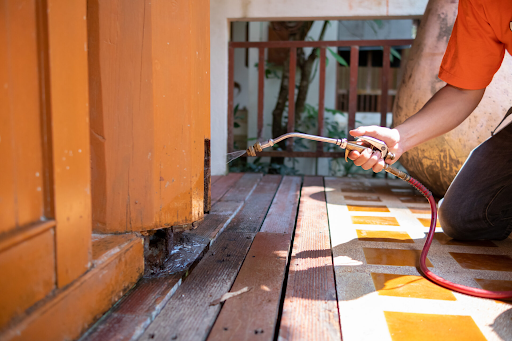
Preventive measures can help reduce the risk of termite activity in residential and commercial properties.
Here are some practical steps:
1. Keep Wooden Surfaces Dry
Repair leaking pipes, taps, and drainage connections. Avoid allowing moisture to accumulate around wooden furniture and structures.
2. Inspect Wooden Furniture Regularly
Check cupboards, beds, doors, window frames, and storage areas for unusual holes, cracks, or signs of damage.
3. Avoid Direct Soil-to-Wood Contact
Where possible, prevent untreated wooden materials from directly contacting soil, as this can provide termites with easier access.
4. Maintain Proper Ventilation
Ensure that storage spaces, basements, and other enclosed areas have adequate ventilation to reduce excess moisture.
5. Remove Unnecessary Wooden Debris
Do not store unused wooden pieces, cardboard, or other cellulose-based materials directly against your property’s walls or foundation.
6. Arrange Professional Termite Inspections
If you notice mud tubes, discarded wings or repeated wooden damage, consider arranging a professional inspection. Early identification can help determine the extent of the infestation and the appropriate treatment approach.
When Should You Consider Professional Termite Treatment?
Home remedies and regular cleaning cannot eliminate an established termite colony. Termites often remain hidden inside wooden structures or underground, making them difficult to control without identifying their entry points and activity areas.
Professional termite treatment may be necessary when:
- You repeatedly find discarded termite wings.
- Wooden furniture shows signs of internal damage.
- Mud tubes appear around walls or foundations.
- Termite activity returns after temporary treatment.
- You notice damage around doors, windows, or other wooden structures.
A professional inspection can help identify the termite species, affected areas, and suitable treatment options.
If you are searching for Termite Treatment in Mohali or Chandigarh, PS Integrated Facilities provides pest control and anti-termite services for residential and commercial properties. The appropriate treatment depends on the property’s condition and the extent of termite activity.
Professional Termite Control Services in Chandigarh and Mohali
Protecting your property from termites requires early identification, proper inspection, and suitable preventive measures.
PS Integrated Facilities has been providing pest control, housekeeping, and cleaning services since 2008. Our team focuses on identifying pest-related problems and recommending appropriate solutions for residential and commercial properties.
Whether you have noticed termite activity in wooden furniture, doors, or other areas, taking timely action can help prevent further damage.
You can also visit our Pest Control Services in Mohali for more information about local pest control services.
Contact our team to discuss your termite control requirements and arrange an inspection.
FAQs
1. What are the first signs of termite infestation?
Common early signs include hollow-sounding wood, mud tubes, discarded wings, small holes in wooden furniture, and unexplained damage to wooden structures.
2. How can I identify termites in wooden furniture?
Check for small holes, weakened wooden surfaces, hollow sounds, and discarded wings around furniture. A professional inspection can help confirm termite activity.
3. Can termites damage walls and doors?
Yes. Termites can damage wooden door frames, flooring, and other cellulose-containing materials. Some infestations may also cause damage that becomes visible through wall surfaces.
4. How can I prevent termites in my home?
Keep wooden areas dry, repair water leaks, maintain proper ventilation, inspect wooden furniture regularly, and avoid direct soil contact with untreated wood.
5. Is professional termite treatment necessary?
Professional treatment is recommended when an active infestation is suspected. Experts can inspect affected areas and identify an appropriate treatment method.
6. When should I contact a termite control service?
Contact a professional when you notice mud tubes, discarded wings, repeated wooden damage, or signs of termite activity returning after previous treatment.