


Have you ever treated a cockroach problem, only to find cockroaches returning a few days later? Or noticed ants in your kitchen even after cleaning thoroughly? Recurring pest problems can be frustrating for homeowners and tenants in Mohali, especially when the reason behind them is not immediately clear.
Pests often return because their hiding places, food sources, moisture conditions, or entry points have not been addressed. A surface-level treatment may remove visible pests without solving the underlying problem.
Understanding why pests return can help you take preventive action, protect your belongings, and decide when professional help may be necessary. In this guide, we explain seven common causes of recurring pest problems in Mohali homes and what you can do to manage them.
Why Do Pests Keep Coming Back After Treatment?
Pests may return when eggs, nests, hiding places, or entry routes remain undisturbed. Other factors, such as food residue, leaking pipes, standing water, and gaps around doors or windows, can also attract pests.
For example, spraying a cockroach may eliminate the visible insect, but others may still be hiding behind kitchen appliances or inside cracks. Similarly, ants can continue entering a home if their food source and entry route remain accessible.
The most effective approach is to identify the pest, understand what is attracting it, and combine appropriate treatment with preventive measures.
1. Are Food Crumbs and Household Waste Attracting Pests?
Food is one of the main reasons pests enter homes. Even small amounts of food residue can attract cockroaches, ants, flies, and rodents.
Kitchens, dining areas, food storage cabinets, and waste bins are particularly important places to check. Crumbs under appliances, uncovered food, and grease around cooking areas can provide a continuing food source.
What can you do?
- Clean kitchen counters and dining tables after meals.
- Store grains, snacks, and other food in airtight containers.
- Keep rubbish bins covered and empty them regularly.
- Clean behind refrigerators, ovens, and other appliances.
- Avoid leaving pet food exposed for long periods.
Maintaining good hygiene helps reduce the conditions that attract pests, although cleanliness alone cannot prevent every infestation.
2. Can Moisture and Standing Water Cause Pest Problems?
Moisture can create favourable conditions for several pests. Cockroaches may gather around damp areas, while standing water can provide breeding sites for certain mosquitoes. Persistent moisture can also increase the risk of termite activity in susceptible wooden structures.
Bathrooms, kitchens, utility areas, balconies, and spaces beneath sinks deserve regular attention.
What can you do?
- Repair leaking taps and water pipes.
- Improve ventilation in damp rooms.
- Remove standing water from containers and accessible outdoor areas.
- Keep drains and surrounding surfaces clean.
- Investigate persistent damp patches before they cause further damage.
If you notice recurring moisture near wooden doors, cupboards, or flooring, investigate the source promptly. Suspected termite activity may require a professional inspection.
3. Are Pests Hiding in Cracks, Cabinets, and Furniture?
Many pests remain hidden during the day and emerge when conditions are favourable. Cockroaches may shelter behind appliances, bed bugs can hide in mattress seams, and ants may enter through tiny gaps around windows or pipes.
This is why cleaning visible surfaces may not be enough to address a persistent pest problem.
What can you do?
Inspect areas such as:
- Gaps around plumbing and electrical openings.
- Cracks along walls and skirting boards.
- Spaces behind kitchen appliances.
- Mattress seams and bed frames when bed bugs are suspected.
- Storage areas containing cardboard, unused items, or clutter.
Seal suitable gaps where practical, reduce unnecessary clutter, and avoid disturbing suspected pest nests without understanding the appropriate treatment method.
4. Can Weather and Seasonal Changes Increase Pest Activity in Mohali?
Weather can influence pest activity, although the effect varies by species and local conditions. Warmer periods may increase the activity and reproduction of some insects, while rain can alter outdoor moisture levels and encourage certain pests to seek shelter.
In Mohali, residents may notice changing pest activity around homes, gardens, balconies, drains, and storage spaces as conditions change throughout the year.
For example, standing water can create mosquito breeding opportunities, while damp conditions may increase concerns about termites in vulnerable areas.
What can you do?
- Check outdoor containers for standing water.
- Keep garden waste and unnecessary clutter under control.
- Inspect window screens and door seals.
- Keep food and waste securely covered.
- Monitor areas where pest activity increases after changes in weather.
Seasonal prevention is helpful, but recurring infestations should be assessed according to the pest involved rather than assuming that weather is the only cause.
5. Do Small Entry Points Allow Pests to Return?
Even a well-maintained home can experience pest problems if insects or rodents have easy access from outside.
Small gaps beneath doors, openings around pipes, damaged window screens, and unsealed utility entry points can allow pests to enter. In apartment buildings and housing societies, pests may also move through shared service areas or adjoining spaces.
What can you do?
- Install suitable door sweeps where gaps exist.
- Repair damaged window screens.
- Seal appropriate openings around pipes and utility lines.
- Store food waste in covered containers.
- Coordinate with building management when pests appear to be entering through shared areas.
Blocking entry points is particularly important for rodent prevention. However, sealing openings should be combined with suitable pest management if an infestation is already present.
6. Are DIY Pest Control Sprays Solving Only Part of the Problem?
Household sprays may kill visible insects, but they do not necessarily eliminate the entire infestation. Their effectiveness depends on the pest, the product, where it is applied, and whether hidden harbourage areas are addressed.
Repeatedly applying products without identifying the pest can waste money and may create unnecessary exposure to chemicals.
For instance, cockroach control may require targeted baiting and attention to hiding places. Bed bug management generally requires careful inspection and a treatment approach suited to the infestation. Termite problems may need a different assessment altogether.
What should you do instead?
- Identify the pest as accurately as possible.
- Look for signs of activity and likely hiding places.
- Remove food sources and address moisture problems.
- Use products only according to their labels and intended applications.
- Seek professional assessment if the problem persists or the pest may be causing structural damage.
Never mix pest control chemicals or apply products in ways that contradict label instructions.
7. When Should You Consider Professional Pest Control Services in Mohali?
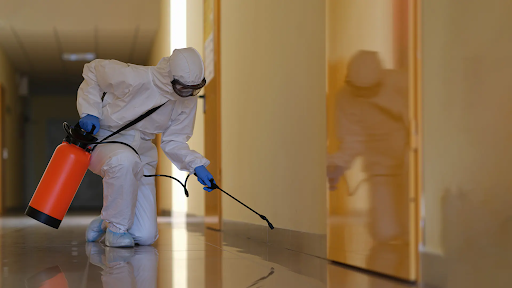
Some minor pest problems may be managed through improved sanitation, appropriate traps, and preventive measures. However, recurring or widespread infestations can require specialised treatment.
Consider professional assessment if you notice:
- Cockroaches appear repeatedly despite preventive measures.
- Possible termite signs, such as mud tubes or damaged wood.
- Bed bugs or recurring signs around beds and upholstered furniture.
- Rat droppings, gnaw marks, or noises suggesting rodent activity.
- Persistent pest activity in kitchens, offices, shops, or storage areas.
- An infestation that returns after previous treatment.
A professional can inspect the affected areas, identify likely causes, and recommend a treatment plan based on the pest and property conditions.
If you are looking for pest control services in Mohali, PS Integrated Facilities Pvt. Ltd. provides a relevant local service option for residential and commercial pest concerns.
How Can You Reduce the Risk of Recurring Pest Infestations?
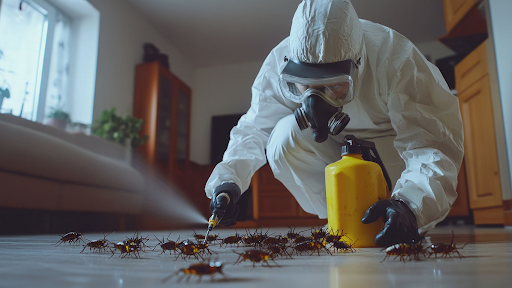
Preventive habits can help reduce the likelihood of pests returning after treatment. Although no method can guarantee a completely pest-free property, the following measures can make your home less attractive to common household pests.
- Maintain kitchen hygiene: Clean food spills promptly and keep cooking areas free from accumulated grease.
- Manage household waste: Use covered bins and dispose of rubbish regularly.
- Control moisture: Fix leaks and remove unnecessary standing water.
- Seal entry points: Repair damaged screens and close suitable gaps around doors and pipes.
- Inspect vulnerable areas: Check cupboards, wooden furniture, storage spaces, and damp corners.
- Reduce clutter: Keep storage areas organised so potential pest activity is easier to identify.
- Monitor pest activity: Note where and when pests appear, especially after treatment.
- Follow treatment guidance: Observe the technician’s instructions about cleaning, re-entry, and follow-up visits.
The best prevention plan depends on the type of pest and the conditions around your property.
Pests that keep returning are often a sign that an underlying problem has not been fully addressed. Food residue, excess moisture, hidden harbourage areas, entry points, and incomplete treatment can all contribute to recurring infestations.
By identifying the likely cause and following practical prevention measures, homeowners can reduce pest-attracting conditions and recognise when additional help is needed.
For residents and businesses dealing with persistent pest problems, PS Integrated Facilities Pvt. Ltd. offers a local option to explore professional pest management. Visit the Pest Control Services in Mohali to find out more.
“For service enquiries or further information, contact PS Facilities.”
Faqs
1. Why do cockroaches keep coming back after spraying?
Cockroaches may return because others remain hidden, their harbourage areas were not treated, or food and moisture sources are still available. Effective management combines appropriate treatment with sanitation and access-point prevention.
2. How can I prevent pests from entering my home in Mohali?
Keep food sealed, manage waste, repair leaks, remove standing water, maintain window screens, and seal suitable gaps around doors and pipes. These steps reduce common pest-attracting conditions.
3. Does a clean house still need pest control?
A clean home can still experience pest problems. Insects and rodents may enter through small openings, arrive with belongings, or move from neighbouring properties. Cleaning helps with prevention but does not guarantee that pests will never appear.
4. What are the early signs of termites in a house?
Possible signs include mud tubes, damaged or hollow-sounding wood, discarded wings, and unusual changes in wooden structures. These signs do not all confirm termites, so a professional inspection can help determine the cause.
5. When should I call a pest control professional?
Consider professional help when pests repeatedly return, an infestation spreads, DIY measures are ineffective, or you suspect termites, bed bugs, or rodents. Seek prompt assessment when structural damage or electrical safety may be involved.
6. How much do pest control services in Mohali cost?
The price depends on the pest, property size, infestation severity, treatment method, and whether follow-up visits are required. Request a quotation based on your specific problem rather than assuming every treatment costs the same.
7. Is professional pest control safe for children and pets?
Safety depends on the product, application method, and conditions in the treated area. Tell the technician about children and pets, follow product-label instructions, and observe all preparation and re-entry guidance.
8. How often should pest control be carried out?
There is no universal schedule for every home. The appropriate frequency depends on the pest, previous infestation, property conditions, and treatment plan. Follow the provider’s recommendations for your particular situation.